Picker and Packers jobs at Unique Personnel boasts over 50 years (established in 1970) of personnel and staffing experience, so it is now not shocking that even although our most important center of attention has been presenting on South African Staffing Solutions, we now recruit internationally for over 5000 clients
Duties & Responsibilities
Responsibilities:
Pick and pack purchaser orders precisely in accordance to the choosing slips
Ensure all gadgets picked healthy the order specs (product, quantity, etc.)
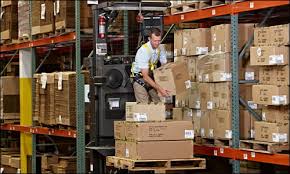
Pack objects securely and neatly to minimise injury all through transport
Label programs effectively and put together them for dispatch
Assist with loading and unloading of shipping automobiles when required
Conduct inventory counts and aid with movements inventory take processes
Picker and Packers jobs
Maintain cleanliness and agency of the warehouse
Report any broken or lacking inventory to the supervisor immediately
Follow all fitness and protection policies and agency procedures
Assist with accepted warehouse responsibilities and duties as required
Desired Experience & Qualification
Knowledge and Skills:
Matric / Grade 10–12 (minimum)
Prior trip in a warehouse surroundings is advantageous
Basic numeracy and literacy skills
Physically match and in a position to lift, move, and raise heavy items
Attention to element and excessive degree of accuracy
Ability to work independently and as phase of a team
Reliable, punctual, and hard-working
Mastering the Warehouse: A Deep Dive into Pickers and Packers Duties
The modern supply chain relies heavily on the swift and accurate movement of goods. At the heart of this operation are the pickers and packers, the vital workforce ensuring products reach their intended destinations efficiently. But what exactly do these essential roles entail? This article will demystify the day-to-day responsibilities, required skills, and the crucial impact pickers and packers have on warehouse success. Understanding their duties is key for anyone involved in logistics, from warehouse managers seeking to optimize operations to individuals aspiring to a career in this dynamic field.
Delving into the specifics of picking and packing reveals a complex interplay of physical tasks, technological integration, and a commitment to quality control. From navigating vast warehouse spaces to meticulously preparing items for shipment, these individuals are the frontline of inventory management and customer satisfaction. We’ll explore the tools they use, the challenges they overcome, and the evolving landscape of their roles in an increasingly automated world.
The Core Functions of a Warehouse Picker
Order Picking: The Foundation of Warehouse Operations
Warehouse pickers kick off the fulfillment process. They receive specific pick lists, sometimes on paper or on a digital device. These lists tell them exactly which items an order needs. Pickers might use different methods, like zone picking where they stay in one area, or wave picking where many orders get processed at once. Getting the right items and quantities is vital for all picking duties. Accuracy at this stage prevents big problems later on.
Item Retrieval and Verification
Once they have their list, the picker moves through the warehouse. They locate each product on the list. This means finding the correct shelf or bin location. A critical part of their work is double-checking. They look at the item’s SKU (Stock Keeping Unit) and make sure it matches the order. They also count to confirm the right quantity. This step helps prevent errors and keeps customers happy.
Packing Station Preparation and Material Selection
After picking, the items head to a packing station. Pickers, or sometimes dedicated preppers, get the area ready. They choose the right packaging materials for the products. This could mean different sized boxes, padded mailers, or protective void fill like bubble wrap. Selecting the proper materials ensures items are safe during shipping.
Essential Duties of a Warehouse Packer
Product Packaging and Presentation
Warehouse packers take the collected items and carefully place them into chosen packaging. Their goal is to protect each item from damage during its journey. This often means wrapping delicate things and using enough cushioning. A neat and secure package also helps with brand presentation. You want the customer to feel good opening their order.
Labeling and Documentation
Once items are packed, the packer moves to labeling. This is a critical step for getting the package where it needs to go. They apply shipping labels with recipient information and tracking numbers. Sometimes, they add special labels for fragile items or specific handling needs. Packing slips and invoices often go inside the box, detailing the order for the customer.
Quality Control and Damage Assessment
Packers act as a final quality check point. Before sealing a box, they inspect products for any defects or damage. If something looks wrong, they might set it aside or report it. They also make sure the finished package meets all quality standards. This includes checking that the box is sealed properly and can handle its trip.
Skills and Attributes for Success
Attention to Detail and Accuracy
Precision is key for warehouse pickers and packers. Every item must be correct, from its type to its quantity. A small mistake, like sending the wrong size shirt or missing an item, can lead to unhappy customers. These errors also cost money in returns and extra shipping. That’s why being exact in your work truly matters.
Physical Stamina and Dexterity
The work in a warehouse is physically demanding. You will spend hours on your feet, walking long distances. Bending, lifting, and reaching are common tasks. Good hand-eye coordination helps with moving items quickly and safely. People in these roles often need strength to handle different package weights throughout the day.
Time Management and Efficiency
Pickers and packers need to work fast but smart. Warehouses often have goals for how many orders should go out. Learning to manage your workload helps meet these targets. You might prioritize urgent orders or learn the best routes. Being efficient means you get more done without rushing and making mistakes.
Technology and Tools in the Picker/Packer Role
Warehouse Management Systems (WMS)
Modern warehouses rely on powerful software called Warehouse Management Systems, or WMS. This system guides pickers and packers through their tasks. It tells them where to find items and where to put them. Often, pickers use handheld scanners or tablets connected to the WMS. These tools track inventory in real-time and help keep operations smooth.
Automated Systems and Robotics
Many warehouses now use robots and automated systems. You might see automated guided vehicles (AGVs) moving products around. Robotic arms might sort items or help with packing. Pickers and packers often work alongside these machines. They might load robots or handle items the machines cannot. This means learning new ways to work in the future.
Material Handling Equipment (MHE)
To move heavier or larger items, pickers and packers use various equipment. Pallet jacks are common for moving pallets of goods. Some workers might get training to operate forklifts, which lift and move heavy loads. Knowing how to use these tools safely is a big part of the job. They make moving bulk items much easier.
Safety and Compliance in Warehouse Operations
Safe Lifting Techniques and Ergonomics
Working safely is always the top priority in a warehouse. Learning how to lift properly prevents injuries. You should always bend your knees, not your back, when picking up heavy things. Keeping items close to your body also helps. Maintaining a good posture and using ergonomic tools can reduce strain over time.
Hazard Awareness and Prevention
Warehouses have unique dangers. Slippery floors, falling boxes, and moving machinery are all real risks. Pickers and packers must always be aware of their surroundings. Reporting spills or broken equipment helps keep everyone safe. Following all safety rules prevents accidents and protects the entire team.
Regulatory Compliance
Every warehouse must follow strict safety rules. Organizations like OSHA (Occupational Safety and Health Administration) set standards for workplace safety. Pickers and packers play a part by following company procedures. This includes wearing proper safety gear and attending training sessions. Sticking to these rules helps ensure a safe environment for everyone.
The Impact of Pickers and Packers on Supply Chain Success
Customer Satisfaction and Brand Reputation
Accurate picking and careful packing lead straight to happy customers. When an order arrives exactly as expected, customers feel good. They are more likely to buy from that company again. Getting orders wrong or delivering damaged goods hurts a brand’s reputation. Returns due to errors cost businesses money and trust.
Inventory Accuracy and Cost Reduction
Meticulous picking and packing directly improve how precise inventory counts are. When items are correctly moved and documented, the stock numbers stay accurate. This reduces shrinkage, which is lost or misplaced stock. Good accuracy means less money wasted on correcting inventory errors or having too much or too little of a product.
Operational Efficiency and Throughput
Well-executed picking and packing steps are vital for smooth warehouse flow. When these duties are done right, goods move faster. This helps the warehouse handle more orders each day. High order fulfillment rates mean products get to customers quickly. This efficiency helps a business grow and stay competitive.
Conclusion: The Unsung Heroes of the Warehouse
The roles of pickers and packers are far more than just physical labor; they are integral to the efficient functioning of any supply chain and directly impact customer satisfaction. Their meticulous attention to detail, physical capability, and adaptability to new technologies ensure that goods move smoothly from storage to the customer’s doorstep. By understanding and appreciating the full scope of their duties, businesses can better support these essential team members, optimize warehouse operations, and ultimately strengthen their position in the competitive marketplace.